Turning Narrow Lanes Into Wins: Shooters Hill Access Moves
Posted on 04/07/2026
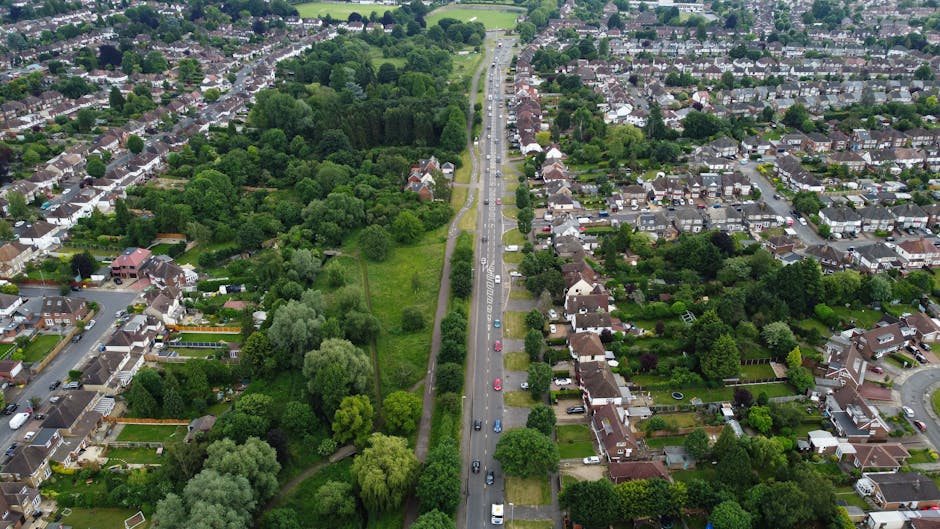
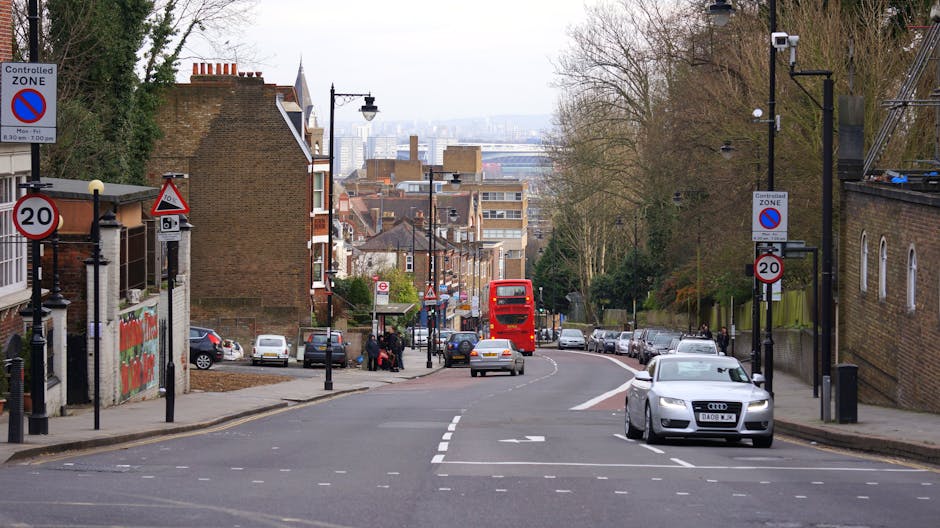
Shooters Hill has its own moving personality: steep approaches, tight side roads, parked cars that seem to appear from nowhere, and the occasional entrance that looks roomy until a sofa is halfway through it. That is exactly why Turning Narrow Lanes Into Wins: Shooters Hill Access Moves matters. If you are planning a move in the area, the difference between a stressful day and a tidy, well-run one often comes down to access planning, vehicle choice, and a few small decisions made before the van even turns the corner.
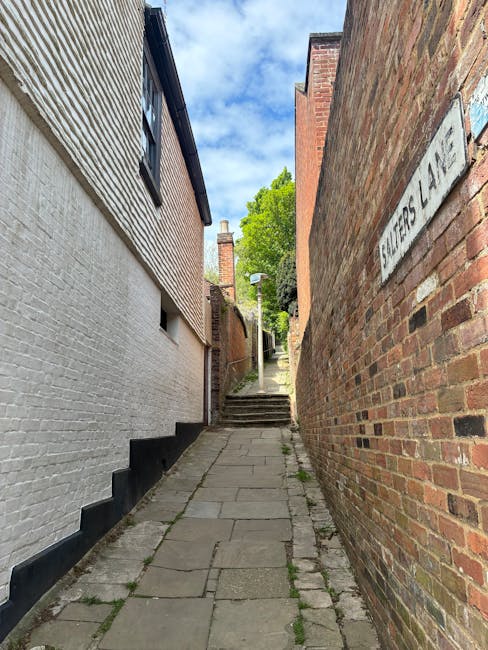
In practice, this is not just about "getting a van close." It is about making the best of real-world restrictions: narrow lanes, awkward turns, limited waiting space, shared entrances, and the kind of local layouts that can slow even a simple move. The good news? With the right approach, those obstacles become manageable. Sometimes even easy. Well, easier.
This guide walks through what access moves actually involve, how they work in Shooters Hill, where the risks hide, and how to plan like someone who has done this on a damp Tuesday morning with a time slot ticking away. You will also find practical steps, a checklist, and local context that helps you decide whether a full removals team, a man with a van in Shooters Hill, or a more specialised service is the smarter fit.
Why Turning Narrow Lanes Into Wins: Shooters Hill Access Moves Matters
Access is the hidden cost centre of a move. People focus on boxes, dates, and sorting the kettle last, but the real friction often starts outside the front door. In Shooters Hill, that can mean a lane where two vehicles cannot pass comfortably, a cul-de-sac with no turn-around space, or a terraced entrance where loading has to be done in stages.
Why does that matter so much? Because poor access slows everything down. It increases the number of trips, adds lifting and carrying distance, and raises the chance of damage to furniture, walls, and feet. It also creates pressure on everyone involved, which is when mistakes happen. The big wardrobe gets awkward. The fridge suddenly seems heavier than physics should allow. And the clock keeps going.
When access is planned well, though, narrow lanes stop being a problem and start being a design constraint. That sounds a bit technical, but really it means you work with the road instead of fighting it. You choose the right vehicle, prepare carrying routes, and break the move into a sequence that is calm and controlled. For local moves around residential pockets near Shooters Hill Road, Warren Road, and the tighter nearby streets, this kind of planning is often the difference between a smooth unload and a queue of frustrated neighbours wondering what on earth is happening.
If you are comparing broader move support, it can also help to understand the wider range of removal services in Shooters Hill and how access planning fits into the full job, not just the transport leg.
How Turning Narrow Lanes Into Wins: Shooters Hill Access Moves Works
At its core, access moving is about reducing uncertainty before moving day. That starts with looking at the route from street to property and asking simple, practical questions: Where can a van stop safely? How far is the walk from vehicle to door? Are there steps, bends, low branches, or tight gates? Is there enough room to carry items in a straight line, or will the team need to pivot and re-angle furniture mid-route?
The process usually works in three stages:
- Access check - note the width of the road, any parking restrictions, and how close the vehicle can realistically get.
- Load planning - match item size and weight to the available route, so bulky pieces are handled in the safest order.
- Movement strategy - decide whether to use a smaller van, a shuttle approach, extra crew, or specialist handling for awkward items.
That last part is important. Narrow access does not always mean "need a smaller van only." Sometimes the better move is a larger van parked a little further away with an efficient hand-carry route. Other times, a compact vehicle is worth its weight in gold because it can get closer to the property without blocking traffic. You do not always know which option is best until you look properly at the site, and that is fair enough.
For furniture-heavy jobs, planning around item shape matters as much as weight. A narrow staircase can be kinder to a tall cabinet than a low doorway, oddly enough, because angle and turning space matter more than the size written on the label. If you are moving larger pieces, the furniture removals Shooters Hill page is a useful reference point for what a more structured approach can cover.
One more local reality: not every access challenge is dramatic. Sometimes it is a simple line of parked cars, a corner that makes reversing difficult, or a patch of uneven pavement. Small barriers stack up. That is the whole game here.
Key Benefits and Practical Advantages
Good access planning does more than avoid delays. It changes the feel of the entire move. Here are the main advantages people notice most often:
- Less handling risk - shorter carry distances reduce strain, slips, and awkward lifts.
- Faster turnaround - fewer interruptions mean quicker loading and unloading.
- Better protection for belongings - items are moved with fewer collisions and fewer "just squeeze it through" moments.
- Less neighbourhood disruption - a tidy, organised move tends to be less irritating for neighbours and passers-by.
- Smarter vehicle use - the right van choice can prevent wasted space or repeated trips.
- More accurate planning - once access is understood, timings and staffing become much easier to estimate.
There is also a psychological benefit that is easy to overlook. When the access problem is under control, the move feels manageable. You can think clearly. You make better decisions. The day stops feeling like a race against a disappearing loading bay. In our experience, that calm is not a luxury. It is a productivity tool.
People often pair access planning with preparation work such as decluttering before a smooth move and careful packing. That combination is powerful because fewer items mean less time carrying them through tight spaces. Simple, but effective.
Who This Is For and When It Makes Sense
Access moves are not only for difficult properties. They are for anyone whose move has a street-level complication that could affect timing or safety. In Shooters Hill, that includes:
- People living on narrow residential roads with limited parking
- Households moving from or into flats with shared entrances
- Students and renters shifting in and out of compact spaces
- Families with bulky items like beds, sofas, wardrobes, or appliances
- Office teams needing efficient loading near constrained access points
- Anyone working to a tight handover deadline
It also makes sense when your move includes awkward objects. Think pianos, mattresses, large desks, or heavy furniture that needs turning in a confined hallway. If that is you, it is worth looking at specialised support such as piano removals in Shooters Hill or guidance on moving beds and mattresses if the job feels deceptively simple until you start.
Access planning is also a smart move for urgent situations. If a property change is happening quickly, narrow lanes leave less room for improvisation. In those cases, services like same day removals Shooters Hill may be relevant, but the access question still needs answering first. Same-day or not, the street does not magically widen.
Step-by-Step Guidance
Here is a practical way to handle a Shooters Hill access move without overcomplicating it.
1. Survey the route before moving day
Walk from the property to the nearest realistic van stop. Measure the distance roughly with your own steps if you need to. Note any gates, steps, kerbs, slopes, or tight turns. If a piece of furniture would need to be twisted sideways, that is worth flagging immediately.
2. Decide what really needs to travel
Moving fewer items makes tight access less painful. Be honest about duplicates, broken storage bits, and "maybe we'll keep it" objects. If you are undecided on what to store, move, or leave behind, check whether storage in Shooters Hill is a better short-term answer than squeezing everything into one day.
3. Match the van to the street
A large van is not automatically the best van. Sometimes a smaller vehicle gives better access and fewer awkward manoeuvres. On the other hand, if the load is large and the parking is workable, a bigger vehicle can reduce trips. There is no one-size-fits-all rule here.
4. Load in the right order
Start with the items that are hardest to carry through the narrow route. That way, the team is freshest and the path is still clear. Sofas, wardrobes, and appliances usually go before the smaller, easier boxes. This is one of those tiny decisions that makes a big difference. Honestly, it saves a lot of swearing.
5. Keep the walkway protected and clear
Loose mats, pet bowls, cable runs, and clutter near the door are the kind of thing people trip over when they are in a hurry. Move them out early. Protect corners if needed. If the property is being handed back, this also helps you leave it in decent shape, which is where spotless-before-you-move tips can genuinely help.
6. Communicate the access plan
Tell everyone involved where the van will stop, which entrance to use, and what should come first. One person should be directing the flow. Without that, you get three people carrying different items and nobody quite sure whether the mattress or the sideboard is next.
Expert Tips for Better Results
Small improvements add up fast in narrow-lane moves. These are the habits that tend to separate a decent move from a genuinely tidy one.
- Use the closest safe stop, not the closest theoretical stop. A van parked illegally or awkwardly can cause more delays than a slightly longer carry.
- Prioritise balance over speed. A careful carry is usually quicker than fixing a wobble halfway down the path.
- Break the job into zones. Inside loading area, threshold, van space, and destination room should each be treated like separate stages.
- Label by room and access priority. Items for the hardest-to-reach room should not get buried under random boxes.
- Expect one surprise. There is nearly always one. A gate latch, a low branch, a neighbour's car, something. Plan room for it.
For heavier items, don't try to muscle through if the route is cramped. Proper technique matters more than bravado. If you want a deeper look at safe handling, the article on moving heavy objects without straining is a strong companion read, and yes, it is the sort of thing people wish they had read earlier.
A small human tip: have water nearby, even in cool weather. Tight access moves can turn into stop-start jobs, and those breaks matter. Also, someone always forgets the bin bags. Almost always.
Common Mistakes to Avoid
A lot of access problems are not caused by the road itself. They are caused by assumptions. Here are the most common ones.
- Assuming the van can park "just outside." Narrow streets often have less spare room than they appear to from the driver's seat.
- Ignoring turning space. A vehicle might enter a lane but struggle to leave it safely.
- Leaving bulky items for last. That creates fatigue and usually turns the final lift into the worst one.
- Forgetting the staircase or hallway geometry. The street may be narrow, but the internal route can be narrower still.
- Not checking for bulky-waste needs. If you are discarding old furniture, appliances, or broken items, make sure that is sorted in advance. The guide on bulky waste removal in Shooters Hill is helpful for thinking through that side of the move.
- Trying to do everything in one sweep. Sometimes two shorter runs are safer than one overpacked lift.
Another mistake is treating access as a last-minute issue. It is not. If you only think about it when the van arrives, the day has already become harder than it needed to be.
Tools, Resources and Recommendations
You do not need a warehouse full of equipment to manage a narrow access move well. A few sensible tools and resources go a long way.
| Tool or Resource | Why It Helps | Best Use |
|---|---|---|
| Measuring tape | Confirms doorway, stair, and item clearances | Before the move and before dismantling furniture |
| Furniture blankets | Protects surfaces in tight corridors and on narrow corners | For sofas, wardrobes, tables, and appliances |
| Straps or trolleys | Reduces strain and improves control over heavier loads | Longer carries, ramps, and uneven surfaces |
| Labels and room notes | Keeps the unload efficient and avoids backtracking | Every box, especially in multi-room homes |
| Parking plan | Prevents avoidable delay and confusion on arrival | Narrow roads and restricted access areas |
For packing support, the article on expert packing techniques pairs nicely with access planning. Better packing means safer stacking, and safer stacking means less time fighting the route.
If you are choosing between a man-and-van style move and a fuller removals setup, it helps to compare the broader service options first. The services overview and man and van Shooters Hill pages are useful for understanding how different job sizes are typically handled. For smaller, flexible loads, removal van Shooters Hill can also be a practical fit.
Law, Compliance, Standards, or Best Practice
For access moves, the main compliance questions usually revolve around safety, parking, and property care rather than anything dramatic. In the UK, it is sensible to follow local parking restrictions, avoid blocking driveways or emergency access, and use safe manual handling practices. That sounds obvious, but in moving work, obvious things are where people get into trouble.
Best practice usually includes:
- Checking whether the vehicle can stop legally and safely
- Making sure lifting is done with appropriate technique and enough help
- Protecting walls, floors, and shared areas from damage
- Using suitable equipment for heavy or awkward items
- Being clear about insurance and liability before the move starts
It is also sensible to understand the mover's approach to safety and customer care. A trustworthy provider should be able to explain its processes clearly, including insurance and safety, and should have visible policies around health and safety. If you care about ethical practice as well, there is also a modern slavery statement published for transparency.
In a practical sense, compliance is less about paperwork and more about doing the job properly. Good moving is careful moving. Simple as that.
Options, Methods, or Comparison Table
Not every narrow-lane move needs the same solution. Here is a straightforward comparison to help you decide what fits best.
| Method | Best For | Pros | Limitations |
|---|---|---|---|
| Small van, close parking | Short moves with easy vehicle access | Quick loading, fewer carry steps | May not suit larger furniture volumes |
| Larger van with short hand-carry | Heavier or fuller loads in tighter streets | More capacity, fewer trips | Needs careful parking and route planning |
| Shuttle-style loading | Very restricted access or awkward lanes | Flexible, works around limited space | Can take longer and needs coordination |
| Specialist item handling | Pianos, beds, sofas, fragile large items | Lower risk, better control | Requires the right expertise and prep |
If you are moving a flat, this comparison often points towards a more measured approach than people expect. Shared hallways, stairwells, and entry restrictions can change the job completely, which is why flat removals in Shooters Hill are often handled differently from a simple house-to-house move.
Case Study or Real-World Example
Picture a two-bedroom flat near a narrow residential stretch in Shooters Hill. The occupant has a sofa, a bed frame, two wardrobes, and a box-heavy kitchen. The road is tight enough that only one vehicle can pass at a time, and the nearest sensible stopping point is several houses away from the entrance.
Without planning, the move would likely involve repeated stops, uncertain parking, and a lot of back-and-forth through a narrow pedestrian route. Instead, the move is structured differently. First, the team checks the route and chooses a vehicle that can stop without blocking the lane. Next, the largest items are loaded first so that the crew is fresh for the harder carries. Then the boxes are grouped by room and carried in a rhythm that keeps the path clear.
One awkward moment does happen. The wardrobe needs a slightly different angle to clear a narrow internal turn. Nothing dramatic, just one of those "of course that's the bit that catches" moments. But because the team had already measured and planned for some margin, the piece is rotated safely rather than forced. The move finishes on time, and the client avoids the stress spiral that usually comes from trying to improvise with a full van and a narrow street.
That is the real win: not perfection, just control.
Practical Checklist
Use this before moving day if you want fewer surprises.
- Measure doorways, stairs, and any tight corners
- Check the route from van stop to front door
- Confirm where the vehicle can park legally
- Identify bulky items that may need dismantling
- Set aside boxes for the hardest-to-reach rooms first
- Remove clutter from hallways and entry points
- Protect floors, edges, and shared areas
- Decide whether storage is needed for overflow items
- Sort recycling and disposal items ahead of time
- Keep drinks, documents, keys, and essentials separate
For people moving out of smaller homes, students, or compact flats, this sort of prep often saves more time than you would think. If you want a service built around smaller-scale moves, student removals Shooters Hill can be a better match than trying to force a bigger solution onto a small access problem.
And if your move is happening under pressure, there is value in reading urgent eviction move guidance before the day. The pace changes, but the need for access planning does not.
Conclusion
Narrow lanes do not have to mean difficult moves. They just demand a bit more thought, a better route plan, and the willingness to work with the street rather than against it. In Shooters Hill, that usually means choosing the right van, reducing carry distance where possible, and preparing the load so that the hardest part of the day is handled first, not last.
Once you see access as part of the move rather than a side issue, everything gets easier to judge: timing, equipment, crew size, and whether you need extra support for heavy or awkward items. That is the heart of Turning Narrow Lanes Into Wins: Shooters Hill Access Moves. Not magic. Just good planning, local awareness, and a steady hand on the day.
If you are still weighing your options, it may help to look at removals in Shooters Hill, compare a man with a van Shooters Hill setup, or review how removal companies in Shooters Hill handle restricted access. The right choice is the one that fits your street as well as your furniture.
Get a free quote today and see how much you can save.
And if all you take from this is one thing, let it be this: a narrow lane is only a problem when nobody plans for it.